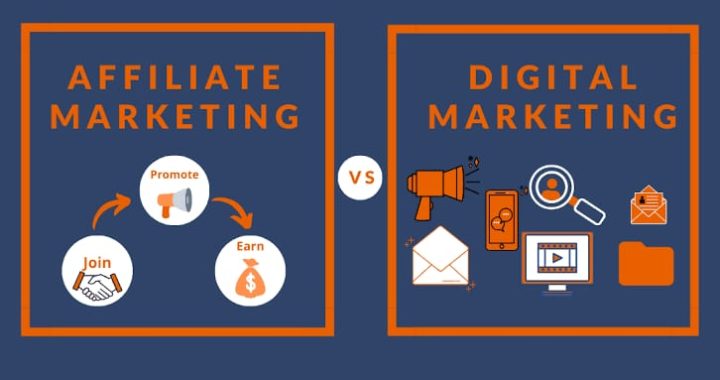
How to Use Affiliate Marketing in Digital Marketing
In today’s competitive online world, businesses are constantly searching for cost-effective and result-driven strategies to reach new customers. One of the most powerful approaches that blends seamlessly with digital marketing is affiliate marketing. Whether you’re a business owner aiming to boost sales or a marketer looking to earn through promotions, understanding how affiliate marketing fits into the larger digital marketing ecosystem can give you a huge edge.
This blog will explain what affiliate marketing is, its benefits, how it integrates with digital marketing, and the best practices to make it successful.
What is Affiliate Marketing?
Affiliate marketing is a performance-based marketing model where businesses (merchants) reward affiliates (publishers, bloggers, influencers, or marketers) for driving traffic or sales through their referral links. Affiliates promote the merchant’s products or services using websites, blogs, social media, or email campaigns, and they earn a commission whenever someone makes a purchase or completes a desired action through their link.
In simple words, it’s like hiring a digital salesforce—you only pay affiliates when they deliver results.
Role of Affiliate Marketing in Digital Marketing
Affiliate marketing is not separate from digital marketing—it’s a sub-strategy within the digital marketing umbrella. Digital marketing includes SEO, social media, content marketing, PPC, and email, while affiliate marketing leverages these channels to drive sales through partnerships.
Here’s how affiliate marketing complements digital marketing:
SEO and Content Marketing – Affiliates often write blogs, reviews, or tutorials optimized with keywords. This not only ranks on search engines but also brings organic traffic.
Social Media Marketing – Affiliates use platforms like Instagram, YouTube, or TikTok to recommend products through engaging content and trackable links.
Email Marketing – Many affiliates run newsletters promoting offers, discounts, or product launches, seamlessly driving traffic to merchant sites.
Paid Advertising – Some affiliates invest in PPC ads on Google or Facebook to target specific audiences with affiliate links.
This makes affiliate marketing a multi-channel digital growth strategy.
Benefits of Using Affiliate Marketing in Digital Marketing
Low Risk, High ROI – Since you only pay when a sale happens, affiliate marketing minimizes wasted ad spend.
Wider Reach – Affiliates have diverse audiences, helping you tap into new markets globally.
Scalability – You can work with dozens or hundreds of affiliates, expanding your marketing without extra in-house effort.
Performance Tracking – With digital tracking tools, every click, lead, or sale is measurable, making campaigns transparent.
Trust and Credibility – Affiliates often build loyal communities. When they recommend your product, it feels more genuine than traditional ads.
How to Use Affiliate Marketing in Digital Marketing Strategy
To maximize success, affiliate marketing should be thoughtfully integrated into your broader digital marketing plan. Here’s a step-by-step guide:
1. Define Your Goals
Before launching an affiliate program, decide what you want:
More sales
Website traffic
Lead generation
Brand awareness
Clear goals will help you measure ROI effectively.
2. Choose the Right Affiliate Program Model
There are different payout structures:
CPS (Cost per Sale): Commission for each purchase.
CPL (Cost per Lead): Commission for email sign-ups or form completions.
CPA (Cost per Action): Commission for any desired action, like app downloads.
Pick the model that aligns with your goals.
3. Partner with the Right Affiliates
Not every affiliate is a good fit. Look for affiliates who:
Share your target audience.
Have strong engagement on blogs or social media.
Maintain credibility and trust with their followers.
For example, a fitness blogger promoting protein supplements is a perfect affiliate, while a fashion influencer may not convert well.
4. Provide Marketing Materials