Why Content Marketing Is Important for Every Business
In today’s digital-first world, the way businesses connect with their audiences has changed dramatically. Traditional advertising methods—TV, print, billboards, and cold calls—are no longer enough to capture attention. People don’t want to be “sold to” in the same way they did a decade ago. Instead, they crave valuable, engaging, and informative content that helps them solve problems, learn new things, and build trust with brands. This is where content marketing comes in.
Content marketing is more than just creating blog posts or sharing updates on social media. It’s a strategic approach to consistently delivering high-quality, relevant content that attracts and nurtures your ideal audience. Whether you’re a startup, a small business, or a multinational company, content marketing plays a crucial role in building brand awareness, driving traffic, generating leads, and ultimately growing revenue.
Let’s dive deeper into why content marketing is so important for businesses today.
In today’s digital-first world, content has become the heartbeat of marketing. Whether it’s a blog post, a video, a podcast, or a simple infographic, businesses rely on content to attract, engage, and convert their audiences. But creating content is only one piece of the puzzle. To succeed in content marketing, brands need the right set of tools to plan, create, distribute, and analyze their efforts effectively.
This is where content marketing tools come in. These tools help marketers streamline their workflow, improve efficiency, and maximize the impact of their content strategy. But what exactly are they and why are they so important? Let’s explore.
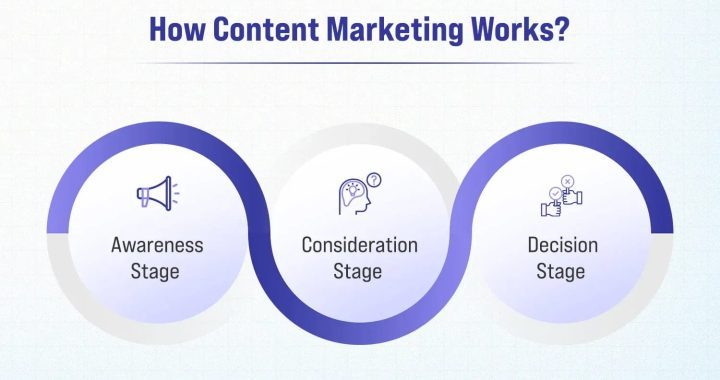
In the ever-evolving world of digital marketing, one term that has remained consistently relevant is content marketing. Whether you’re running a small startup, a growing e-commerce brand, or a large corporation, content marketing plays a pivotal role in connecting you with your audience, building trust, and driving conversions. But how exactly does it work? Why has it become such a powerful strategy for businesses worldwide? Let’s explore the mechanics, principles, and benefits of content marketing in detail.
What Is Content Marketing?
At its core, content marketing is the practice of creating and distributing valuable, relevant, and consistent content to attract and engage a clearly defined audience—with the ultimate goal of driving profitable customer action. Unlike traditional advertising that interrupts consumers, content marketing seeks to provide value, educate, entertain, or inspire, while subtly guiding people toward your products or services.
Think of it this way: rather than saying, “Buy my product,” content marketing says, “Here’s something useful that can help you.” That value-first approach builds credibility and positions your brand as a trusted source.
Content Marketing vs. Content Writing: Key Differences You Need to Know
In today’s digital landscape, “content” has become the cornerstone of business growth, brand building, and online visibility. Whether you are a startup founder, a marketing professional, or a freelancer, you’ve probably come across two popular terms—content marketing and content writing.
At first glance, they may sound similar. After all, both revolve around “content.” However, in practice, they serve very different purposes. Understanding the difference between content marketing and content writing is crucial if you want to create strategies that not only engage but also convert your audience.
In this blog, we’ll break down what each term means, how they overlap, and why distinguishing between the two is essential for business success.
What Is Content Writing?
Content writing refers to the process of creating written material that informs, educates, entertains, or persuades readers. It is the craft of putting words together in a way that resonates with the intended audience.
The main goal of content writing is to deliver a clear, compelling message. It could be an engaging blog post, an informative article, a persuasive landing page, or even product descriptions.
In today’s digital-first world, businesses no longer rely only on traditional advertising methods to connect with customers. Instead, they are embracing more meaningful ways to reach and engage audiences, and one of the most powerful strategies among them is content marketing. Whether you are a small business, a growing startup, or a large enterprise, content marketing helps build trust, educate potential customers, and nurture long-lasting relationships.
But what exactly is content marketing? Let’s break it down.
Defining Content Marketing
Content marketing is a strategic marketing approach focused on creating and sharing valuable, relevant, and consistent content to attract and engage a clearly defined audience. Instead of directly pitching products or services, it provides useful information, insights, or entertainment that helps the audience solve problems or make decisions.
For example:
A skincare brand publishing blogs on “how to take care of your skin during winter.”
A financial company creating videos explaining “investment tips for beginners.”
A fitness trainer sharing free workout routines on social media.
In all these cases, the brand is not directly selling but offering value through content. Over time, this builds credibility, trust, and brand loyalty — leading customers to eventually choose that business when they are ready to buy.
Affiliate marketing has become one of the most popular ways to earn passive income in India. With the rapid growth of internet users, booming e-commerce, and increasing reliance on digital services, affiliate marketing is creating countless opportunities for individuals, bloggers, YouTubers, and even working professionals who want an extra stream of income. But with so many affiliate programs available, the big question arises: Which affiliate marketing is best in India?
In this blog, we’ll explore the concept, top affiliate programs in India, factors to consider when choosing one, and which platforms are ideal for different niches.
What is Affiliate Marketing?
Affiliate marketing is a performance-based marketing model where you promote products or services of a company, and earn a commission for every sale, lead, or action completed through your referral link.
Whenever someone makes a purchase using your link, you earn a commission.
The beauty of affiliate marketing is that it does not require you to create a product or handle delivery. Your role is to connect potential buyers with the company.
When Did Affiliate Marketing Start? A Detailed Journey
Affiliate marketing is one of the most powerful business models in the digital world today. It has given entrepreneurs, bloggers, content creators, and businesses a way to earn and grow through partnerships. But like every big trend, affiliate marketing has a history. It did not just appear overnight—it grew gradually with the rise of the internet and digital commerce. If you’ve ever wondered when affiliate marketing started and how it evolved into a billion-dollar industry, this blog will take you on a detailed journey.
The Origins of Affiliate Marketing
To understand affiliate marketing’s beginnings, we first need to revisit the early days of the internet. In the early 1990s, businesses began experimenting with online commerce. Companies were trying to figure out how to attract buyers to their websites and how to reward partners who referred new customers.
The term affiliate marketing refers to a simple concept: an affiliate (a person or publisher) promotes a product or service of a merchant (a business) and earns a commission when a sale or action takes place through their referral link. This performance-based model sounded perfect for the internet era because everything online can be tracked.
The First Affiliate Marketing Program – 1989 to 1994
Affiliate marketing is one of the most popular and effective ways to earn money online. It allows individuals, bloggers, influencers, and even large businesses to generate income by promoting products or services of other companies. The concept is simple: you recommend something, and if someone makes a purchase through your unique affiliate link, you earn a commission. While the idea is straightforward, succeeding in affiliate marketing requires the right strategies, patience, and consistent effort. In this blog, we will explore step by step how to work in affiliate marketing effectively.
Understanding Affiliate Marketing
At its core affiliate marketing is a performance-based model. Businesses partner with affiliates (publishers, influencers, or marketers) to promote their products. Affiliates use unique tracking links or codes, and whenever a customer buys using that link, the affiliate earns a commission.
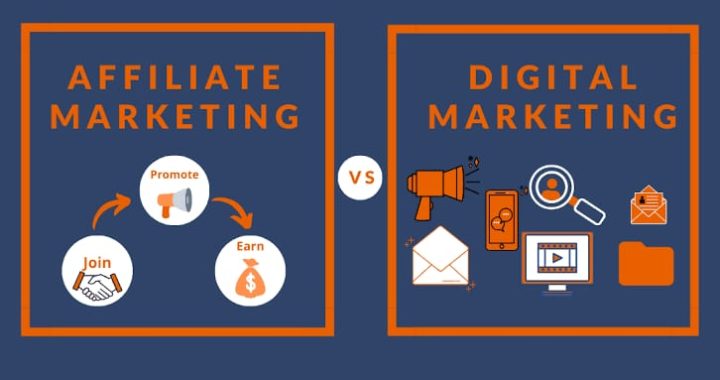
How to Use Affiliate Marketing in Digital Marketing
In today’s competitive online world, businesses are constantly searching for cost-effective and result-driven strategies to reach new customers. One of the most powerful approaches that blends seamlessly with digital marketing is affiliate marketing. Whether you’re a business owner aiming to boost sales or a marketer looking to earn through promotions, understanding how affiliate marketing fits into the larger digital marketing ecosystem can give you a huge edge.
This blog will explain what affiliate marketing is, its benefits, how it integrates with digital marketing, and the best practices to make it successful.
What is Affiliate Marketing?
Affiliate marketing is a performance-based marketing model where businesses (merchants) reward affiliates (publishers, bloggers, influencers, or marketers) for driving traffic or sales through their referral links. Affiliates promote the merchant’s products or services using websites, blogs, social media, or email campaigns, and they earn a commission whenever someone makes a purchase or completes a desired action through their link.
In simple words, it’s like hiring a digital salesforce—you only pay affiliates when they deliver results.