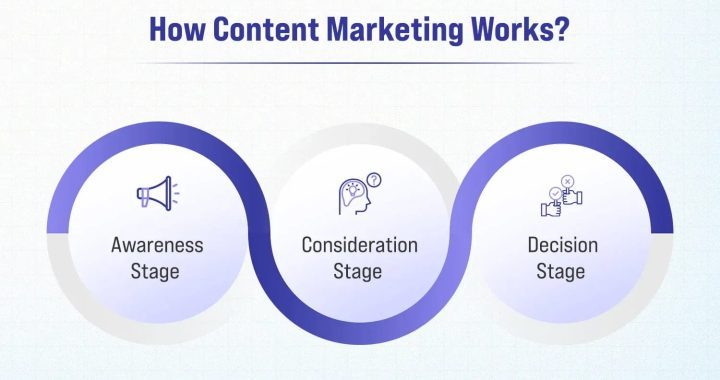
How Content Marketing Works:
In the ever-evolving world of digital marketing, one term that has remained consistently relevant is content marketing. Whether you’re running a small startup, a growing e-commerce brand, or a large corporation, content marketing plays a pivotal role in connecting you with your audience, building trust, and driving conversions. But how exactly does it work? Why has it become such a powerful strategy for businesses worldwide? Let’s explore the mechanics, principles, and benefits of content marketing in detail.
What Is Content Marketing?
At its core, content marketing is the practice of creating and distributing valuable, relevant, and consistent content to attract and engage a clearly defined audience—with the ultimate goal of driving profitable customer action. Unlike traditional advertising that interrupts consumers, content marketing seeks to provide value, educate, entertain, or inspire, while subtly guiding people toward your products or services.
Think of it this way: rather than saying, “Buy my product,” content marketing says, “Here’s something useful that can help you.” That value-first approach builds credibility and positions your brand as a trusted source.
The Core Principles of Content Marketing
Content marketing works because it taps into how people make decisions today. Consumers no longer respond well to hard sales tactics. They do research, read reviews, and seek answers before buying. Here are the core principles:
Provide Value First – The best content helps people solve problems or learn something new.
Be Consistent – One blog post or video won’t build authority. Consistency builds trust over time.
Know Your Audience – Content only works if it’s relevant. You must understand your audience’s needs, challenges, and goals.
Tell Stories – Humans are wired for stories. Content that tells a relatable story resonates more deeply than facts alone.
Guide, Don’t Push – The goal isn’t to make a quick sale but to lead potential customers through their journey until they’re ready to buy.
How Content Marketing Actually Works
To understand how content marketing works in practice, let’s break it down into stages:
1. Understanding Your Audience
The first step is research. Who are your customers? What do they struggle with? Where do they spend time online? By creating buyer personas—fictional representations of your ideal customers—you can shape your content strategy to align with their interests.
2. Planning a Strategy
A content strategy defines the purpose, goals, and formats you’ll use. Do you want to build brand awareness, generate leads, or nurture existing customers? The answers determine the type of content you create, such as blog posts, videos, podcasts, case studies, or social media content.
3. Creating High-Quality Content
This is where the magic happens. Quality matters more than quantity. A well-researched, engaging, and easy-to-read article or a creative, shareable video has far more impact than a dozen low-quality posts. Great content educates, entertains, or inspires while aligning subtly with your brand message.
4. Distributing Content
Even the best content won’t work if nobody sees it. Distribution involves publishing on your website, sharing on social media, sending newsletters, optimizing for SEO, or even collaborating with influencers. Each platform requires a slightly different approach, but the goal is the same: reach your audience where they are.
5. Engaging the Audience
Content marketing is a two-way street. Encourage comments, questions, and discussions. Respond promptly to feedback and build a relationship. The more you engage, the stronger the trust you develop with your audience.
6. Nurturing Leads
Not everyone who reads your content will buy right away. Some may download an eBook, sign up for a newsletter, or follow you on social media. By consistently providing value, you nurture these leads until they’re ready to make a purchase decision.
7. Measuring Success
Data is critical. Metrics such as website traffic, social shares, engagement rates, lead conversions, and customer retention help you understand what’s working and what needs improvement. Tools like Google Analytics, HubSpot, or SEMrush make this easier.
Key Types of Content Marketing
Content marketing isn’t one-size-fits-all. Different formats work for different goals and audiences: